Featured
Table of Contents
That frees up money in the short-term, and you might have 3 to four years to conserve toward the negotiation quantity. Really harmful to debt ratings, mainly as a result of missed payments and an adverse "worked out" mark that could remain on your debt report for up to seven yearsMay be just choice if other alternatives (debt consolidation, equilibrium transfer debt cards, financial obligation forgiveness) aren't possibleTypically requires a fee to the 3rd celebration, which could balance out some or all of the financial savings from financial debt settlementMay assist you avoid bankruptcy if you have actually missed several paymentsNot all financial institutions collaborate with debt settlement business Financial debt mercy may be right for you if you are experiencing a monetary difficulty that makes it nearly impossible to pay down your debt balances.
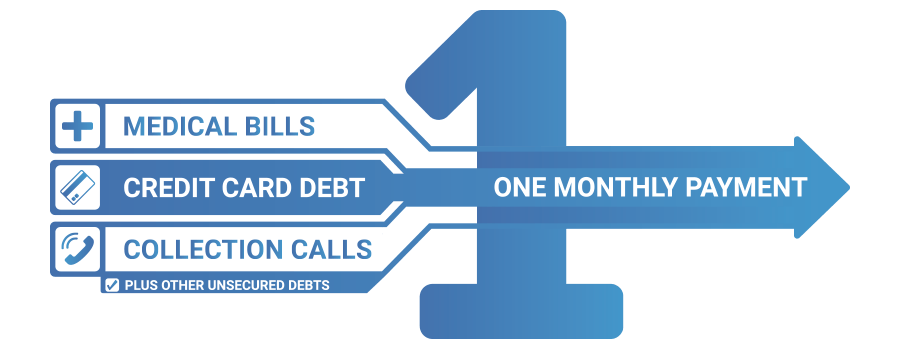
With a DMP, you make one month-to-month settlement to the credit scores counseling company. Those funds are then dispersed to financial institutions of your unprotected debts, such as charge card and installment lendings. The firm deals with your financial institutions to lower passion prices or waive fees, but some financial institutions might decline such concessions.
It can aid you pay down financial obligation if you're able to safeguard a loan price that's lower than the ordinary rate of the accounts you're combining. You need to avoid from racking up debt on those newly cleared accounts or your financial debt can grow also higher.

These cards often supply a 0% interest initial period of approximately 21 months. That offers you lots of time to eliminate or substantially lower your balance while making interest-free payments. For some individuals facing impossible financial obligation, insolvency may be the only means to quit collection process and legitimately settle their financial obligations.
The Single Strategy To Use For Creating a Healthy Spending Strategy for Long-Term Security
You might need it if your creditor or a collection firm ever tries to collect on the debt in the future. When a lender forgives $600 or even more, they are needed to send you Kind 1099-C.
Debt forgiveness or settlement usually hurts your credit report. Anytime you settle a debt for less than you owe, it might look like "cleared up" on your credit history report and influence your credit history for 7 years from the date of settlement. Your credit scores can also go down considerably in the months leading to the forgiveness if you fall behind on settlements.
Creating Your Financial Recovery Roadmap Can Be Fun For Anyone
This situation frequently results from underreporting earnings, not submitting returns on time, or disparities found during an IRS audit. The consequences of building up tax financial obligation are severe and can include tax liens, which offer the Internal revenue service a lawful claim to your building as safety and security for the debt.
Wages and Bank Accounts IRS can levy (seize) incomes and bank accounts to satisfy the debt. Residential or commercial property Seizure In extreme situations, the IRS can confiscate and offer property to cover the financial obligation.
Anxiety, anxiety, and other psychological health and wellness problems. Social Stigma Dealing with lawful activity from the internal revenue service can carry social preconception. Damages to credibility and connections. Employment Opportunities A poor credit history as a result of strain financial obligation can limit job opportunity. Trouble finding or maintaining a work. Federal government Advantages Tax obligation financial debt may impact qualification for government advantages, such as Social Security and Medicaid.
About Inflation and Increased Demand Are Seeking Doctor Loan Consolidation Guide: Best Strategies to Cut Payments Fast
The OIC considers numerous aspects, including the taxpayer's earnings, costs, possession equity, and ability to pay. Effectively bargaining an OIC can be intricate, needing a complete understanding of the internal revenue service's standards and a strong debate for why your offer lines up with your capability to pay. It is essential to keep in mind that not all applications are accepted, and the procedure needs thorough financial disclosure.
The internal revenue service assesses your general financial scenario, including your income, costs, asset equity, and capability to pay. You should also be existing with all filing and settlement demands and not remain in an open personal bankruptcy proceeding. The internal revenue service likewise considers your compliance history, reviewing whether you have a document of timely filing and paying tax obligations in previous years.
The Facts About Essential Things to Ask Any Doctor Loan Consolidation Guide: Best Strategies to Cut Payments Fast Provider Uncovered
The application process for a Deal in Compromise involves several in-depth steps. Initially, you have to finish and submit IRS Type 656, the Offer in Compromise application, and Kind 433-A (OIC), a collection info statement for individuals. These kinds need comprehensive monetary information, consisting of information about your income, debts, expenses, and properties.
Back taxes, which are unsettled tax obligations from previous years, can considerably raise your overall IRS financial debt if not attended to quickly. This financial debt can build up rate of interest and late payment penalties, making the initial amount owed much bigger with time. Failing to pay back taxes can result in the internal revenue service taking enforcement actions, such as providing a tax lien or levy versus your home.
It is crucial to resolve back tax obligations as quickly as possible, either by paying the total owed or by arranging a layaway plan with the internal revenue service. By taking positive actions, you can prevent the accumulation of additional passion and penalties, and stop much more aggressive collection activities by the IRS.
One common reason is the idea that the taxpayer can pay the sum total either as a round figure or through a payment plan. The IRS also takes into consideration the taxpayer's income, expenses, property equity, and future earning capacity. If these factors suggest that the taxpayer can pay for to pay greater than the used amount, the internal revenue service is likely to decline the offer.
Not known Facts About Complimentary Digital Financial Literacy Resources Available by APFSC
It is critical to provide exact and complete info in your application and to consult with a tax expert to improve the chances of approval. Managing internal revenue service debt can be complex and complicated. Tax professionals, such as Certified public accountants, tax attorneys, or enlisted representatives, can offer indispensable help. They have the expertise to browse the ins and outs of tax obligation law and IRS treatments.

Table of Contents
Latest Posts
Things about Chapter 13 Basics and Eligibility
The 6-Minute Rule for Real Experiences of People Who Secured Freedom
All About Developing Post-How Nurses Can Reduce Loan Payments Without Refinancing Budget for Permanent Security
More
Latest Posts
Things about Chapter 13 Basics and Eligibility
The 6-Minute Rule for Real Experiences of People Who Secured Freedom
All About Developing Post-How Nurses Can Reduce Loan Payments Without Refinancing Budget for Permanent Security